Mycelium and the Art of Being Quietly Connected
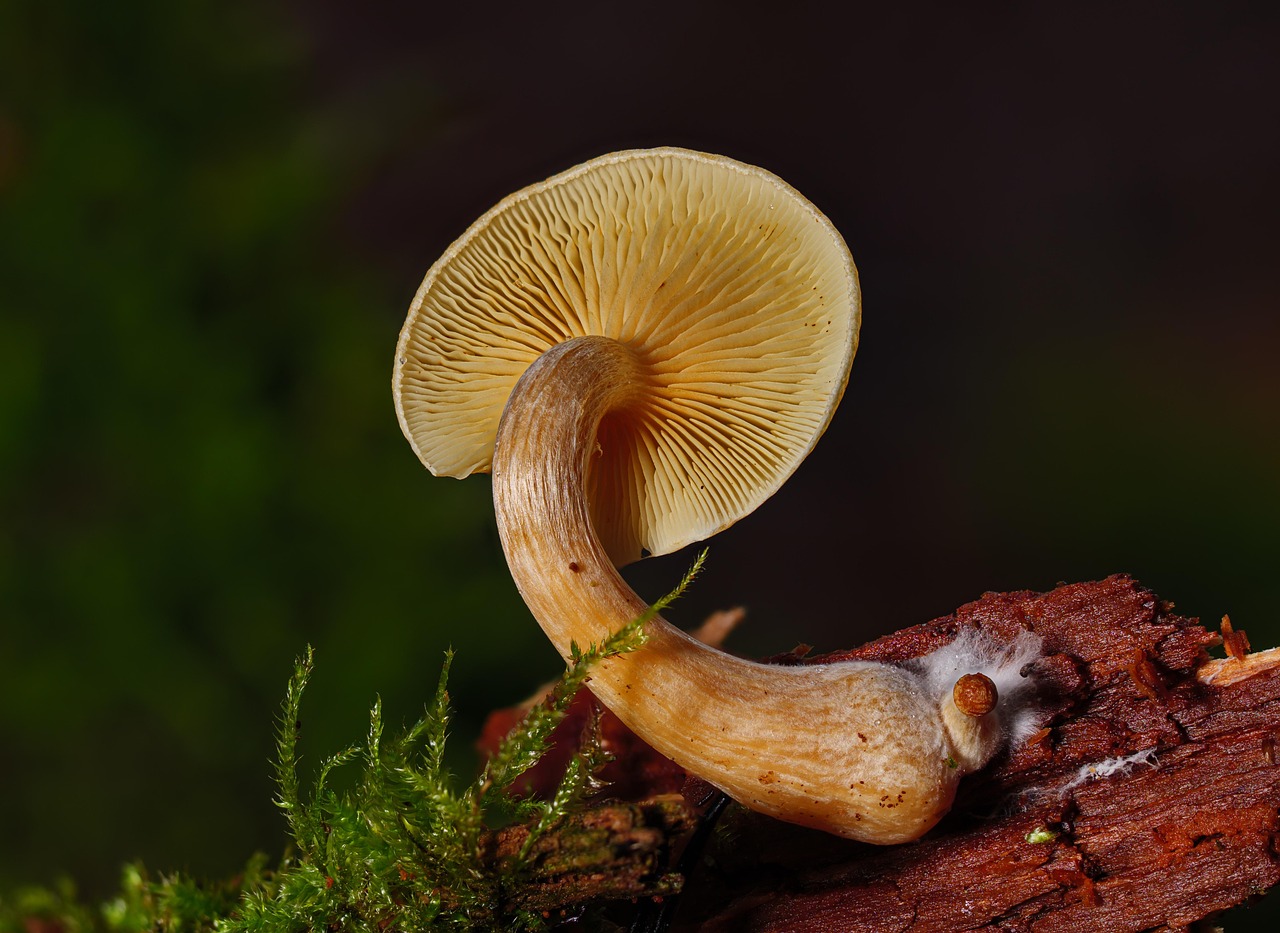
Underneath every healthy forest is a network most people never see. Threads of mycelium, fungal filaments finer than a human hair, connect the roots of trees across acres. Through this network, trees share water, nutrients, and even warning signals. A tree under attack by insects can send a chemical message through the mycelium, and neighboring trees will start producing defenses before the insects reach them.
Nobody plans this network. It grows because the trees are close enough to each other, because the soil is alive, and because the connections are maintained over years. That's a very different model from the way most people think about professional networking.
We're taught to network like we're collecting business cards. Meet as many people as possible, connect on every platform, follow up with a templated message. It's transactional, it's exhausting, and it produces a network that's wide but shallow. When you actually need help, you find out quickly that a thousand weak connections are worth less than five real ones.
Grow threads, not contacts
The mycelium model suggests a different approach. Instead of chasing volume, focus on maintaining a smaller number of genuine connections over time. That means remembering what matters to people, checking in when you have nothing to ask for, and being useful before you need something.
It also means being patient. Mycelium doesn't appear overnight. It grows because the conditions are right and because nobody tore it up. If you only reach out to people when you need a favor, you're not growing a network. You're strip-mining one.
The practical version of this is unglamorous. Send a message when you read something a former colleague would find interesting. Congratulate people on real milestones. Ask how a project turned out, months after it ended. Show up at the small gathering even when you're tired. None of it feels like strategy. All of it compounds.
The network works when you're not watching
The most valuable thing about the mycelium network is that it operates continuously, not just in emergencies. Trees are connected all the time, in good seasons and bad. That's why the network can respond so fast when something goes wrong.
Your relationships work the same way. The call you get out of nowhere about an opportunity, the friend who vouches for you in a room you're not in, the former manager who remembers you years later — these aren't luck. They're the visible output of an invisible network that was maintained without any immediate payoff.
So stop measuring your network by its size. Measure it by how alive it is. A few strong threads through good soil will carry you further than a thousand shallow roots ever could.