Migratory Thinking: Why Sometimes the Brave Move Is to Leave
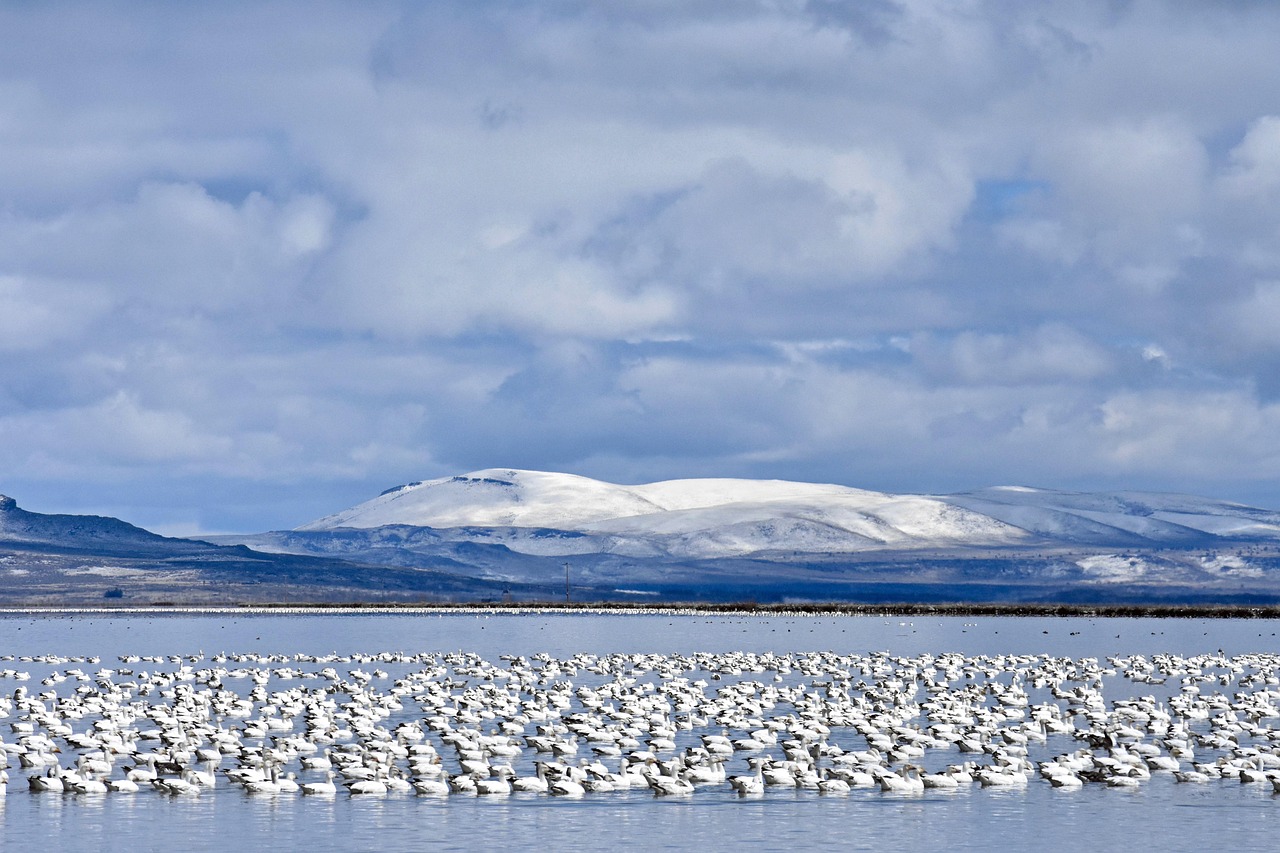
Every autumn, entire species of birds do something that would get them labeled unreliable in a corporate performance review. They leave. They abandon a territory that worked fine for months and fly thousands of miles toward uncertainty, because the conditions that sustained them are about to change and they know it.
We don't call that quitting. We call it migration, and we understand it as one of the smartest things a creature can do. Yet when a person leaves a stable job, a familiar city, or an industry they've spent a decade in, the default reaction from the people around them is often suspicion. Why would you leave something that's working? What are you running from?
Sometimes the answer is: nothing. Sometimes the conditions are simply shifting, and staying put is the riskier choice.
Reading the signals before the freeze
Birds don't wait for the first hard frost to leave. They sense the change in daylight, in food supply, in temperature, weeks before it becomes obvious. They act on early signals, not emergencies.
Most of us are worse at this. We wait until the situation is unbearable, until we're burned out or laid off or so miserable we can't function, before we consider moving. By then we're migrating in a panic, taking the first thing that looks warm.
The better approach is to develop your own early warning system. What signals tell you a role, a team, or an industry is heading into winter? Maybe it's that you've stopped learning. Maybe it's that the people you respect are quietly leaving. Maybe it's that your values and the company's have drifted apart in ways you keep excusing. Those are daylight changes. Notice them early, when you still have the energy and leverage to move on your own terms.
Migration isn't escape, it's strategy
There's a difference between fleeing and migrating. Fleeing is reactive, driven by fear, and often lands you somewhere just as bad. Migration is deliberate. The bird knows where it's going, or at least knows the direction, and it travels with a purpose.
If you're considering a big change, treat it like a migration plan. Where's your wintering ground? What does it offer that your current situation doesn't? What will you need to carry with you, and what can you leave behind? Who's already made this journey and can tell you what to expect?
You don't owe anyone a dramatic reason for leaving. Conditions change. Seasons turn. The creatures that survive are the ones willing to move when the ground starts to cool, not the ones who wait until they have no choice.